Un denso, meticoloso e intelligente tributo alla Divina Commedia
Un esperimento documentaristico di grande valore e di grande impatto culturale che semina una speranza
Ciò che colpisce è l’intreccio della filmografia in cui sembra risiedere una misteriosa e dettagliata perfezione
Un racconto di elevata calibratura dal punto di vista culturale, politico e morale.
Matteo Gagliardi, con grande abilità illustrativa pone in essere la storia di un secolo, il Novecento senza risparmiare nulla
Un’affascinante rilettura sull’opera del Sommo Poeta.
Rispetta l’ABC del documentario e aumenta i decibel della Poesia
Una riflessione appassionata come quella di Sokurov
La Mirabile Visione di Matteo Gagliardi
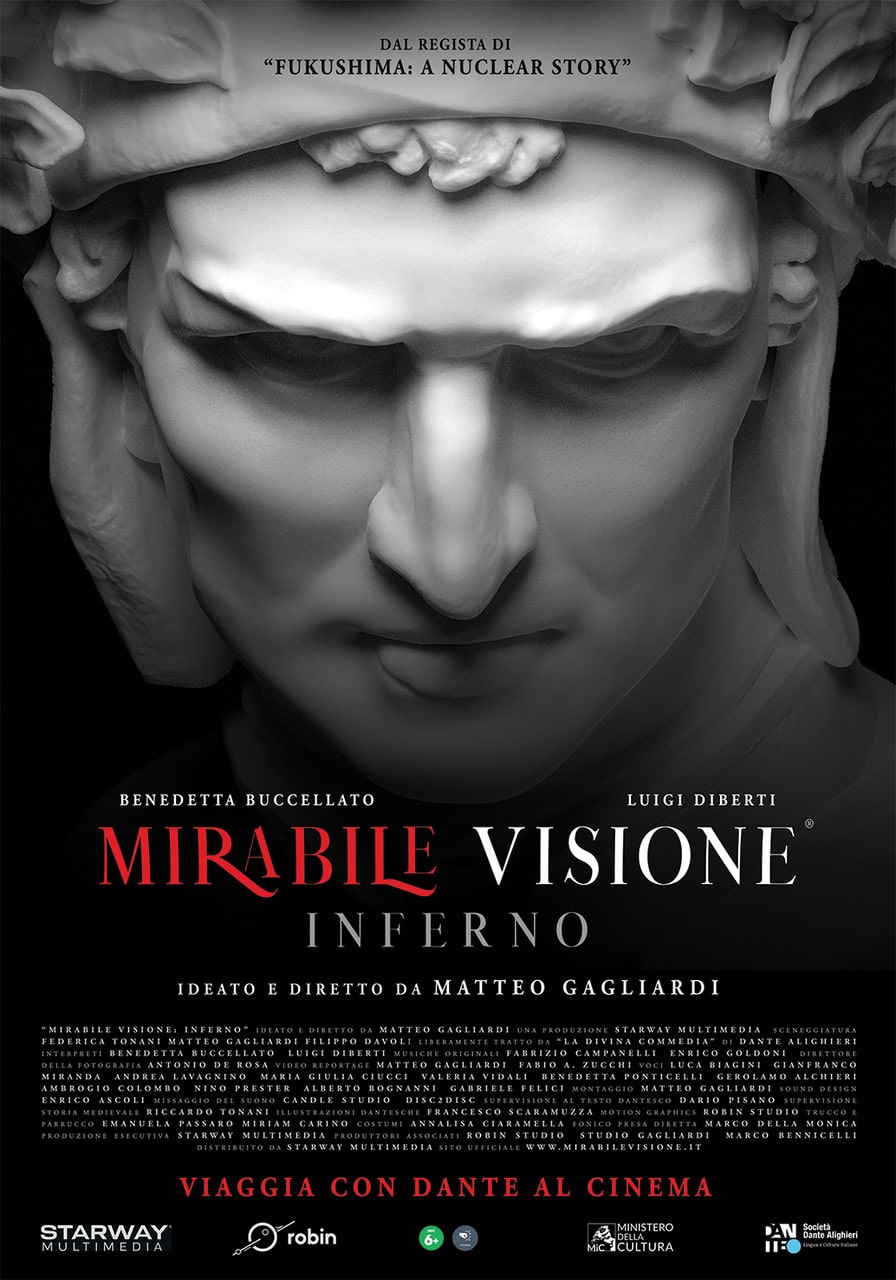
Synopsis and author's notes
Together with Teacher Argenti, who helps her students discover a more revolutionary Dante, and with the words of Father Guglielmo that express the most authentic Christian message, we spectators also travel inside the Divine Comedy, the great work of beauty, awakening and education.
“If Dante returned today, what could he say about our world? We have tried to explain it through a documentary film, limiting ourselves for now to Hell. Describing some aspects that many, too many of us did not grasp when we studied it at school. That is, that Hell (like the other Dantean realms) is not an alien place of an incomprehensible afterlife, but the profound and very current representation of Man, of his possibilities, of his limits and of the continuous overcomings that he can undertake. As the Poet says: in this life. The phenomena, the processes and the crisis of capitalist society, which creates inequalities and disproportionate accumulation for a few. Here is the terrible she-wolf! The mass media manipulation, the resignation that makes us passively accept the unacceptable. And then the absence of spirituality, the destruction of the environment, the predation of resources, external and internal oppression. “Dante’s Wondrous Vision” is therefore a large mosaic where necessarily merge different languages. But on what level? Secular or spiritual? Hence the idea of (not) resolving this dualism by entrusting the narration to two distinct narrative entities: a high school teacher on one side, a Catholic priest on the other. Secular and Christian aspects that coexist and interpenetrate. A priest who never quotes Dante, yet seems to tell the Divine Comedy. A teacher who never quotes the Gospel, yet seems, in some way, to want to “save” us. In the middle, the story of the journey with a selection of Dante’s rhymes as milestones of a journey of emotions, suggestions and profound reflections on the human being and on modern society, in a historical period particularly sensitive to the themes dear to the Supreme Poet”.
Matteo Gagliardi (director, producer)

Benedetta Buccellato (Teacher Argenti)
After her theatre debut as Ophelia in Carmelo Bene’s Hamlet, she was the female protagonist of numerous shows directed by directors such as: Ronconi, Squarzina, Scaparro, Zeffirelli, Trionfo, Besson, Van Hoecke, Calenda and alongside actors such as: Enrico Maria Salerno, Giorgio Albertazzi, Mario Scaccia, Massimo Dapporto, Andrea Giordana, Arnoldo Foà, Roberto Herlitska, Eros Pagni. She works for cinema, television and radio (also as an author). She has interpreted and directed some monologues by contemporary authors (Yourcenar, Ruccello, Buzzati). She is the General Secretary of the Association for Italian Theatre. In recent years she has participated in Romanzo di una strage by Marco Tullio Giordana and Anni felici by Daniele Luchetti, and in the 1993 series by Giuseppe Gagliardi.

Luigi Diberti (Father Guglielmo)
After graduating from the Academy of Dramatic Arts in Rome, he began acting in small roles on the stage. In 1968, he was discovered by Luca Ronconi who entrusted him with the part of Ruggero in his theatrical adaptation of Ludovico Ariosto’s Orlando Furioso. From the 1970s to today, he has taken part in many films and television series, including La Piovra 3, 4 and 6, in the role of Ettore Salimbeni. However, he continues an intense theatrical activity, thanks to which in the 1980s he was one of the most important actors at Giorgio Strehler’s Piccolo Teatro. He has worked for directors Dario Argento, Cristina Comencini, Gabriele Muccino, Davide Ferrario, Lina Wertmüller, Michelangelo Antonioni, Pupi Avati, Ferzan Özpetek, Elio Petri and many others.

Matteo Gagliardi (concept, directing, editing)
He is the author of “SpaceOpera” (2011), a 40-minute film for digital planetariums and Omnimax theatres, with the voice of Ottavia Piccolo, which has been shown in around 200 planetariums in various countries around the world, some of which are still shown today. With “Fukushima: a nuclear story” (2016), he signed his first documentary work as director and co-author, narrated by Massimo Dapporto in the Italian version and Willem Dafoe in the international version, broadcast on SkyCinemaCult and La7 in Italy, and on TV in at least 20 countries. In 2020 he collaborated as a director with the Municipality of Padua on a multi-format documentary to promote the inscription of the Scrovegni Chapel and the 14th-century pictorial cycles (“Padova Urbs Picta”) in the UNESCO World Heritage List, which was successfully completed in July 2021. “Mirabile Visione” (2023), his second work in the docu-film field, is the result of incessant work that began in 2020, shortly after founding the production company Starway Multimedia, specialized in cultural edu-tainment and the valorization of the national artistic heritage.
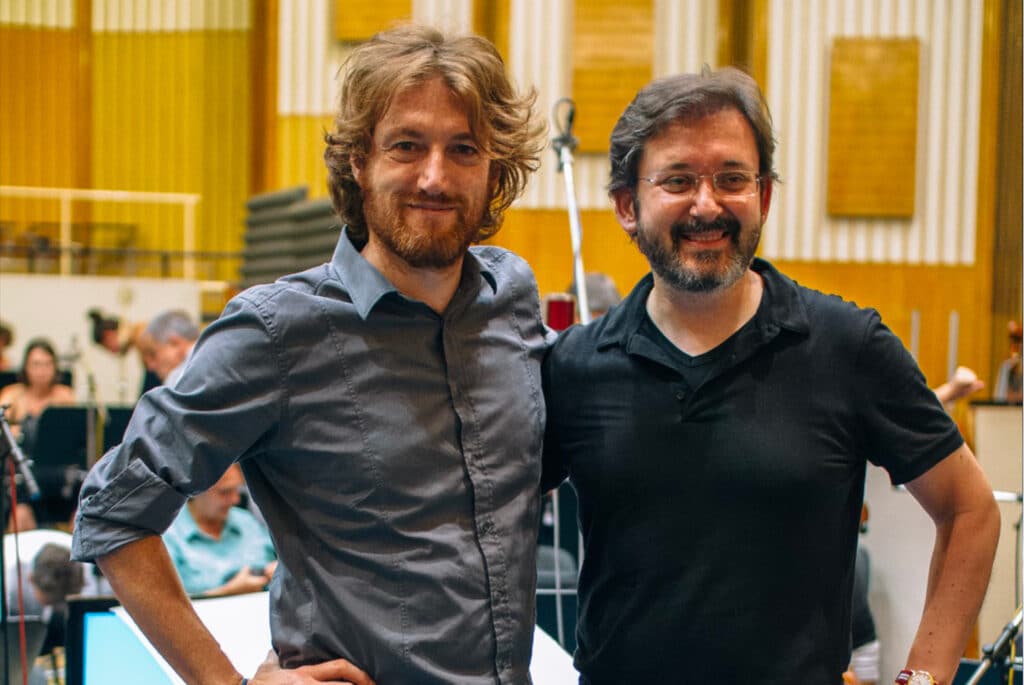
Fabrizio Campanelli ed Enrico Goldoni (original score)

The Authors
Una sceneggiatura a 6 mani quella di “Mirabile Visione”, che oltre al suo ideatore Matteo Gagliardi si avvale della collaborazione del poeta maceratese Filippo Davoli (Premio Montale, 2002), fondatore della rivista “Ciminiera”: della sua scrittura si sono occupate diverse testate, tra cui “Sole 24 Ore – Domenica”, “Avvenire”, “La Stampa”, “Rai RadioUno“, nonché riviste come “America Oggi”, “Poesia”, “Istmi”, “Verso” e “PelagosFederica Tonani is making her debut as a screenwriter after many years of experience in the “Sottosopra” Association, founded on the dissemination of major social and geopolitical issues. “Mirabile Visione: Inferno” also draws freely on the Dante exegesis of countless authors who over time have proposed interpretations of Dante’s text, such as Franco Nembrini, Vittorio Sermonti, Romano Guardini, and many others. All under the supervision of Dante’s text by Dario Pisano, author of numerous successful essays on Dante, the historical-philological supervision of Riccardo Tonani, as well as a high-profile scientific committee.

The voices
Some of the most important and famous Italian voice actors give their voice to the characters of Inferno in Mirabile Visione. Among these, Luca Biagini (John Malkovich, Denzel Washington, Ed Harris, Kevin, Stanley Tucci, Michael Keaton), Gianfranco Miranda (Henry Cavill, Ryan Gosling, Johnny Lee Miller, Adam Driver, Armie Hammer), Andrea Lavagnino (Josh Brolin, Dwayne “The Rock” Johnson) also known for having dubbed Alvaro Morte, “The Professor” in the Netflix event series “La casa di carta”. All the voices of the main and secondary characters were proposed, coordinated and recorded in the Cast Doppiaggio studios in Rome.
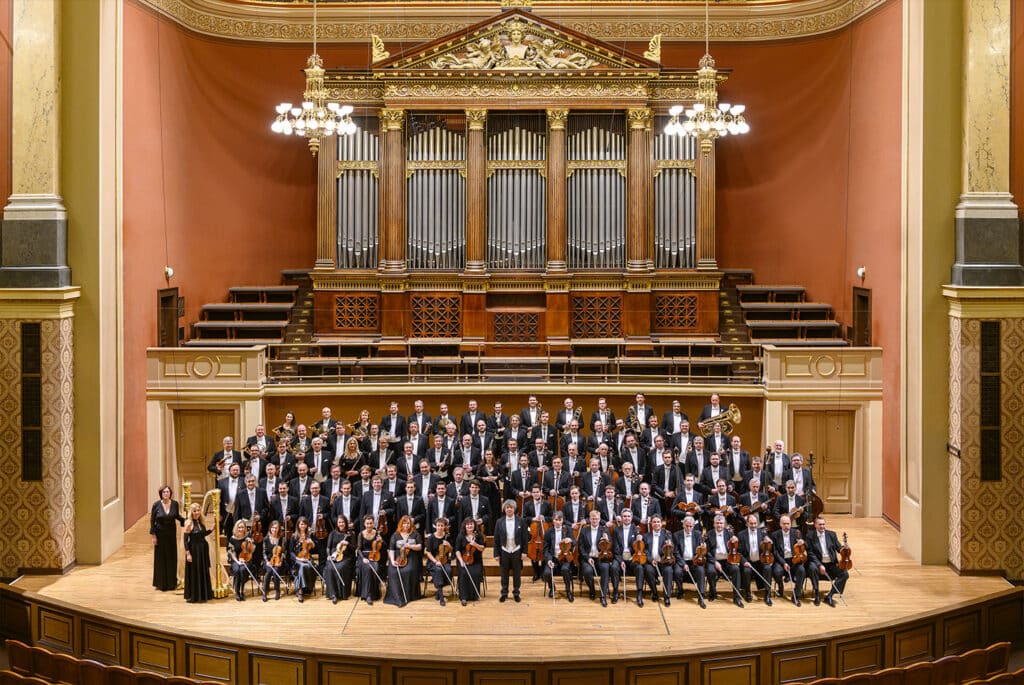
Two orchestras, one score
The original score was produced in two phases, featuring performances by two of the world’s finest orchestras. In Prague, the Czech National Symphony Orchestra, known for its collaboration with Ennio Morricone on the Oscar-winning soundtrack for Quentin Tarantino’s The Hateful Eight. In Milan, the Milan Symphony Orchestra, which, among others, was conducted by Riccardo Chailly from 1999 to 2005, with 70 members. The extremely high level of these prestigious collaborations has contributed to making the soundtrack by Fabrizio Campanelli (who also oversaw the artistic and musical production) and Enrico Goldoni for Mirabile Visione: Inferno a memorable soundtrack with a depth worthy of the greatest international cinema. The album is available in digital format on the main platforms (ACCESS HERE), and will soon be available on CD and collector’s vinyl.
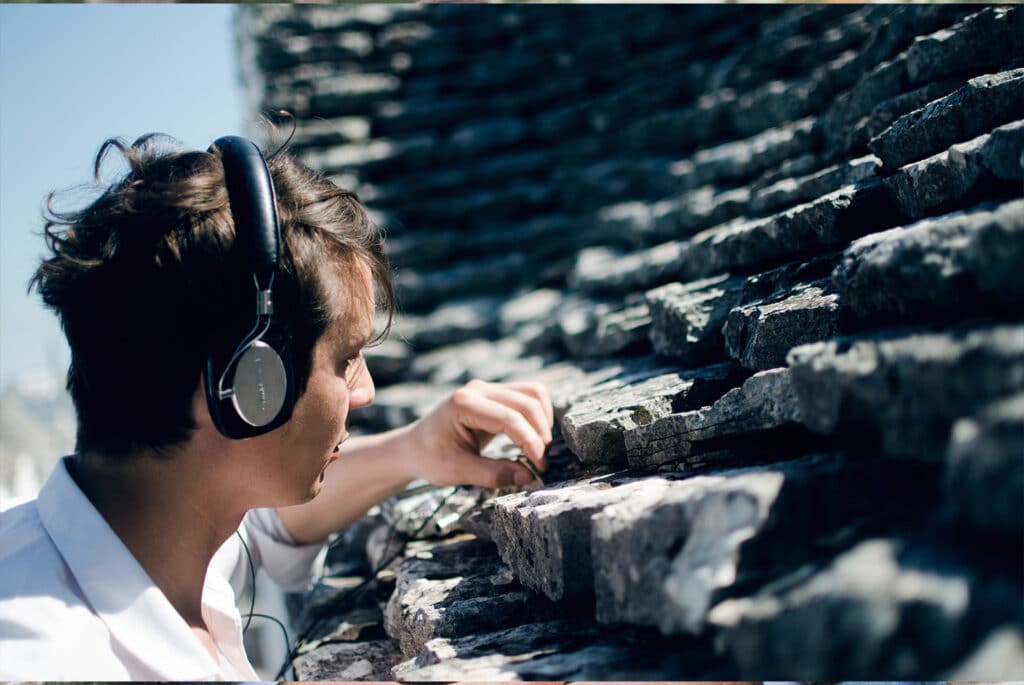
Enrico Ascoli (Sound Design)
Sound design and music psychology are the subjects taught by the artist at the Istituto Europeo di Design (IED) in Milan and at the Centro Sperimentale di Cinematografia Animazione in Turin. This dual vocation is combined in Ascoli’s works, giving life to interesting storytelling, not by chance lent to famous brands such as NIKE, Bacardi, Illy, Fiat, Telecom Italia, Mila Schön, just to name a few of the most representative in different fields. His live performances and sound installations have also been presented at festivals such as Benicassim, Stream, toShare, Interferenze, E-ArtQuake, MyAtelier, often involving multiple sensorial aspects.
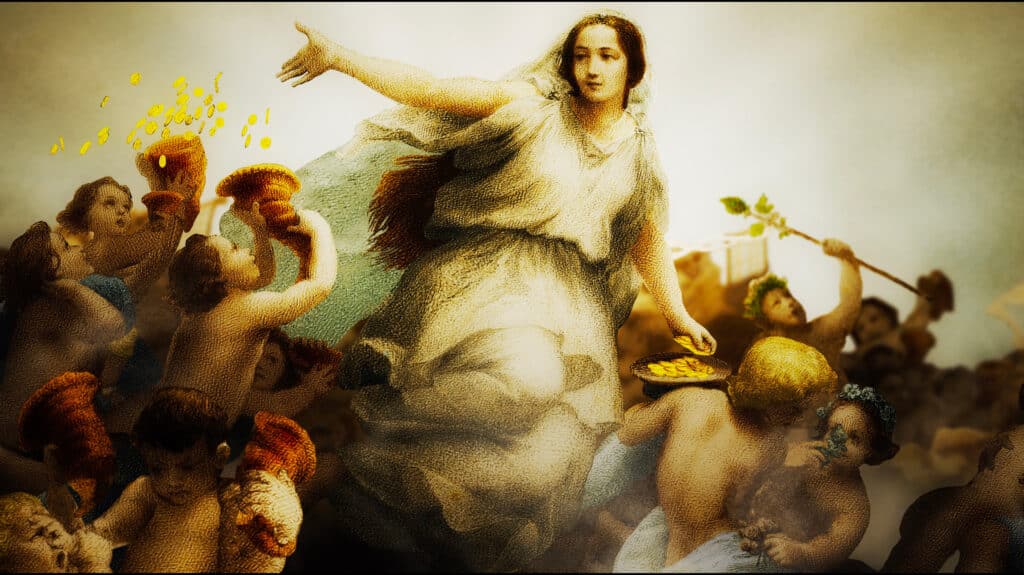
Francesco Scaramuzza's tables, recolored and animated
In 1876, fifteen years after Gustave Doré’s first publication, but after 38 years of work, Scaramuzza completed his 243 plates on the Divine Comedy. Since then, numerous critics have attempted a comparison between the two artists, with the aim of decreeing which was the best. In 2021, the year of the seven hundredth anniversary of Dante’s death, Starway Multimedia promoted the creation of the art volume “Francesco Scaramuzza and the plates for the Divine Comedy” (Allemandi), thanks to which it was able to finance part of the documentary film. In the first chapter, Inferno, 73 of these illustrations were recolored and animated (thanks to the fundamental collaboration with Robin Studio of Turin) to describe the journey into the infernal kingdom.

Fiction - at School and in Church
“Dante’s Wondrous Vision” tells the Comedy also thanks to two fictional characters: a high school teacher and a Catholic priest. With Prof. Argenti, school returns to what it should be: in fact, skolè in Ancient Greek means “free time”, better freed, full of passion, interest, even pleasure and fun. Father Guglielmo represents the continuity between the evangelical message and Dante’s universe, he does not propose a dogmatic vision of Faith but a reflection on the profound meaning of our existence and our happiness in this world.

Archive footage
Dante’s Wondrous Vision draws on the universal audiovisual heritage by identifying particular iconic fragments to create a bridge between Dante’s poetics (and his unrepeatable era) and modernity, at least as we understand it today.

The places of Dante and The Divine Comedy
For Dante’s Wondrous Vision an extensive reportage was created of the Dante areas in Italy and around the world, directly or indirectly linked to the characters and places of the Comedy, as well as to the life of Dante Alighieri.


Mirabile Visione: Inferno” conceived and directed by Matteo Gagliardi produced by Starway Multimedia freely adapted by “La Divina Commedia” di Dante Alighieri screenplay Federica Tonani, Matteo Gagliardi, Filippo Davoli cast Benedetta Buccellato, Luigi Diberti original score Fabrizio Campanelli, Enrico Goldoni orchestral execution Czech Symphony Orchestra, Milano Symphony Orchestra, cinematography by Antonio De Rosa scientific supervisors Dario Pisano, Riccardo Tonani paintings by Francesco Scaramuzza video reportage Fabio A. Zucchi, Matteo Gagliardi additional reportage Riccardo Bianco Guillaume Bression editing and post-production supervisor Matteo Gagliardi Federica Tonani motion graphics: Robin Studio srl voices by Gianfranco Miranda, Luca Biagini, Andrea Lavagnino, Tonani Maria Giulia Ciucci, Nino Prester, Gerolamo Alchieri, Roberto Bognanni, Ambrogio Colombo, Valeria Vidali, Gabriele Felici, Benedetta Ponticelli figurazioni speciali Alessandro Carrozzi, Anna Cerase, Antonio Enzio, Beatrice Leone, Carlotta Costa, Christian Sabino, Domenico Leone, Ginevra Guarracino, Giosuè Di Palo, Luigi Spanò, Manuel Benigno, Manuel Mancini Martina Russo, Mattia Giglio, Noemi Cioffi, Piera Marinelli, Sabrina Caroline Ouango, Teresa Caldarelli Elisabetta Nuvoletta, Nicola Esposito sound design Enrico Ascoli colorists Mirko Innocenti, Giovanni Dubbini, Riccardo Zoppello CGI artists Emanuele Plicato, Biagio Casciaro, Lisa Lo Presti, Lorenzo Rigatto, Matilde Capello, Edoardo Toso additional CGI Leonardo Paolini, Xavier Corbeau, Aus Pentatolume drone operator Massimo Potenza camera assistants Nicola Del Vecchio Raffaele Franzese, elettricista Mattia Falco data manager Salvatore Miglione director assistant Imma Crispo ciak operator Vincenzo Giordano, Salvatore Maglione make-up and hair Emanuela Passaro, Miriam Carino costumes by Annalisa Ciaramella direct sound engineer Marco Della Monica executive producer Matteo Gagliardi associated producer Studio Gagliardi srl Robin Studio srl, Klitias Arteambiente, Scientific committee Giuliano Pisani, Marco Lanterna, Filippo Davoli, Riccardo Tonani, Francesco Iannello. dubbing sound engineers Gianclaudio H. Moniri, Stefano Danese (Studio Casting Doppiaggio srl Roma) sound mix Disc to Disc Productions Milano, Candle Studio Milano, Cast Doppiaggio Roma.
Video reports made in collaboration with the Municipalities of Cesena, Firenze, Trento, Verona, Mantova, Siliqua, Parma, Milano, Poppi, e con Resort Villa Stecchini, Palazzo Montanari di Vicenza, Museo Campano di Capua, Museo Nazionale della Pilotta, Museo Rocca di Gradara, Biblioteca della Scuola Normale di Pisa, Chiesa di Santa Maria dei Cerchi, Opera di Santa Maria del Fiore, Opera Santa Maria Novella, Opera di Santa Croce, Musei del Bargello, Museo della Battaglia di Campaldino, Badia Fiorentina, Parco Nazionale Mediceo, Monastero di San Bernardino alle Ossa, Cimitero Monumentale di Milano, Liceo Artistico ISIS Palizzi-Boccioni (Napoli), Monastero di Santa Chiara (Napoli)
Special Thanks: Roberto Gagliardi, Olivia Costanzi, Carlo Gagliardi, Stefania Batazzi, Marco e Dario Bennicelli, Riccardo Antonino, Marco Torcoletti, Felicita Triccoli, Matteo Stronati, Stefano Roffi, Prof. Noris, Giovanni Di Palma, Lina Passaretti, Franca Tacconi, Thomas Agnoli, Mons. Marco Ballarini, Fabrizio Campanelli, Antonio e GiovanniPerizzi, Marco Beck Peccoz, Gianfranco Miranda, Maria Giulia Ciucci, Daniela Nardini, Antonio Acampora, Armando Ciotola.
We would like to thank the Dante Alighieri Societies of Bergamo, Bienna, Parma, Porto, Sydney, Adelaide, il Rotary Club Jesi, la Fondazione Cassa di Risparmio di Jesi, la Fondazione Federico II di Hoenstaufen Jesi, il Centro Studi Danteschi di Ravenna, il Centro Studi Danteschi di Firenze, la Biblioteca Comunale di Piacenza, la Biblioteca Centrale di Milano, Simmetrico Cultura srl, Università Poliarte Ancona.
Further acknowledgments for the crowdfunding campaign: Dario Acquaviva, Nicola Procaccini, Marisa Faliselli, Marco Pozzi, Mario Carparelli, Maria Grazia Mattoli, Teresa Ciccolini, Giosuina Pria, Federica Tonani, Antonietta Cargnel, Silvia Chen, Riccardo Salvà, Pietro Canadelli, Amico Giupponi, Enrico Giupponi, Manuel Colombo, Massimo Rinaldi, Fabio Menni, Pierluigi Petrelli, Marcella Barulli, Luca Lori, Silvio Pella, Diego Migliorini, Maria Pappalardo, Raffaela De Luca, Gaetano Squillace, Famiglia Tonani, Gabriele Buffarini, Silvia Polidori, Riccardo Tonani, Andrea Guiotto Francesco Torcoletti, Luigi Seracca, Fabrizio Campanelli, Enrico Goldoni, Carla Saveri, Marcello Pane La Famiglia Thomas, Marco Menco, Mario Carparelli, Massimo Baucia, Simona Cardinali, Luigi Boncompagni, Maurizio Coglia, Franca Tacconi, Pietro Aresta, Giovanni Frezzotti, Joshua Reid, Rosita Gabbianelli, Patrizia Massaccesi, Rosa Marmo, Guido Musco, Mimmi Avitabile, Leonardo Cemak, Valentina Rinaldi, Mario Amerino, Costanza Costanzi, Silvia Gagliardini, Giovanna Ambrosi , Vittorio della Marra, Elettra Bellitti, Alan Bacchelli, Massimiliano Giometti, Simona Cardinali, Giorgia Giorgetti, Francesco Fucà, Vincenzo Carusi, Dario Leggiero, Marco Ferrari, Luca Camertoni, Francesco Mantegazzini, Gruppo Astrofili Copernico, Giuliano Fabrizi, Marco Ferretti, Fabio Mariano, Camilla Di Bonaventura, Guillaume Bression, Thomas Agnoli, Claudia Carissimo, Marcello Ercole, Alessandro Spurio, Carlo Mazzarella, Francesco Chiatante, Francesco Trento, Giorgia Marsella, Simone Morganti, Sergio Rinaldi, Dennis Cabella, Giuseppe Circhetta, Michele Carminati, Michele Fratalocchi, Cosimo Scialpi, Andrea Antolini, Antonia Scotece, Giuseppe Ravazzolo, Leonardo Paolini, Diego Urbisaglia, Andrea Pane, Cristina Stronati, Federica Acqua, Laura Lucia Notaro, Monier Quartararo, Pietro Paolucci, Alessandra Veccia, Antonio Fratoni, Federica Santarelli, Nicola Catelli, Lucio Ciavola, Claudio Alpino, Duilio, Vito Demma, Mauro Casagrande, Serena Parisi, Pasquale Catalano, Paolo Valler, Mirko Giuntini, Francesco Fucà, Silvana Niutta, Gabriella Gagliardi, Davide Fry, Maddalena Santacroce, Gino Ceriachi, Rodolfo Signorini, Matteo Vicino, Daniele Zambelli, Edmondo Palombo, Patrizia Levorato.
PARTNERS




WITH THE SUPPORT OF



PRODUCED BY